

Secure a new home before 6/30 to receive 2.99% Financing or 30% Off Design Options. Restrictions apply. Speak to agent for details.
Secure a new home before 6/30 to receive 2.99% Financing or 30% Off Design Options. Restrictions apply. Speak to agent for details.

Downsizing your home for retirement is about more than finding a house with less square footage. It’s a chance to think about how you want your home to work for you in the years ahead.
Maybe you no longer use several rooms in your current house. Maybe yard work and home maintenance are taking up more time than you want to give them. Or maybe you’re simply ready for a home that better matches the way you live now.
For homeowners considering a move in Northern Colorado, the goal shouldn’t necessarily be to find the smallest home possible. It should be to find the right amount of space, in a layout and community that make everyday life easier.
Here’s what to consider before making the move — and why a patio home may be worth adding to your list.
There isn’t a certain age when you should downsize your home. Retirement may start the conversation, but the better question is whether your current home still fits your lifestyle.
Some signs it may be time to consider downsizing include:
• You have bedrooms, a basement, or formal living spaces you rarely use.
• Maintaining the yard or exterior feels like more work than it used to.
• You’re tired of spending weekends on home projects and repairs.
• Stairs have become inconvenient — or you simply don’t want them in your next home.
• You’d rather spend your time traveling, seeing family, enjoying hobbies, or doing something other than maintaining a house.
• Your current location is farther than you’d like from family, healthcare, shopping, or everyday necessities.
• You’re thinking about what kind of home will continue to work well for you 10 or 20 years from now.
You don’t have to wait until your current house becomes difficult to manage. In fact, planning early gives you more time to compare your options and choose your next home based on what you want, rather than what you suddenly need.
One of the biggest mistakes people can make when downsizing for retirement is focusing entirely on square footage.
A smaller home that doesn’t have enough storage, guest space, or room for your hobbies can quickly feel too small. On the other hand, carrying several unused bedrooms, multiple living areas, and a large yard into your next chapter may defeat the purpose of moving.
Before looking at homes, think about the spaces you actually use.
Do you regularly host children or grandchildren overnight? Would you like a dedicated home office or hobby room? Do you spend most of your time in the kitchen and living room? Would you use a private outdoor space more often than a large backyard?
The answers can help you separate space you value from space you simply have.
A well-designed smaller home can still feel open and comfortable when the square footage is concentrated in the rooms you use every day.
If this move is intended to carry you comfortably through the years ahead, look beyond finishes and countertops. Pay attention to how the home will function in everyday life.
Even if stairs aren’t an issue today, deciding whether you want them in your next home is worth considering. A single-level floor plan keeps the kitchen, living spaces, bedrooms, laundry, and outdoor areas on one floor. That can make everyday living simpler now while eliminating one potential accessibility concern later.
Downsizing shouldn’t mean getting rid of everything you own. Look closely at closets, kitchen cabinetry, garage storage, pantry space, and other built-in storage. A thoughtfully designed smaller home can sometimes accommodate your belongings better than a much larger house with poorly planned storage.
Think realistically about guest space and how you spend your time. If family visits several times a year, a second bedroom may be important. If visitors are rare, you may prefer a flexible room that works as an office, den, or hobby space. Choose rooms based on how you actually live instead of recreating your current home on a smaller scale.
A large yard can also mean mowing, watering, weeding, raking, snow removal, and seasonal upkeep. If you enjoy being outside but don’t want another large property to maintain, look for a smaller private outdoor area. A courtyard or patio can provide space for morning coffee, a grill, plants, or dinner outside without turning outdoor living into another weekend project.
Ask what you’ll actually be responsible for after moving. Some communities handle landscaping or snow removal, while others may include certain exterior responsibilities through an HOA. Coverage varies, so review exactly what is and isn’t included before buying. Reducing maintenance can be one of the biggest benefits of downsizing when you know what your new responsibilities will be.
Not necessarily.
A smaller home can reduce certain expenses, but smaller doesn’t automatically mean cheaper. Location, whether the home is new or resale, finishes, property taxes, insurance, HOA dues, interest rates, and maintenance responsibilities can all affect your actual cost.
Instead of comparing purchase prices alone, look at the bigger picture:
• What will you pay for utilities?
• What does the HOA cost, and what does it cover?
• How much maintenance will you still handle yourself?
• Is an older home likely to need repairs or updates soon?
• What moving, closing, or furnishing costs should you plan for?
• Will your new home require renovations to work for you long term?
If you’re searching for the average cost of a patio home, there isn’t one number that will be particularly useful across Northern Colorado. A patio home’s price can vary considerably based on its community, location, size, age, finishes, amenities, and whether it is new construction.
The more useful comparison is between the total cost and responsibilities of your current home and the home you’re considering next. For questions about how a move could affect retirement income, taxes, or investments, talk with a financial or tax professional familiar with your specific situation.
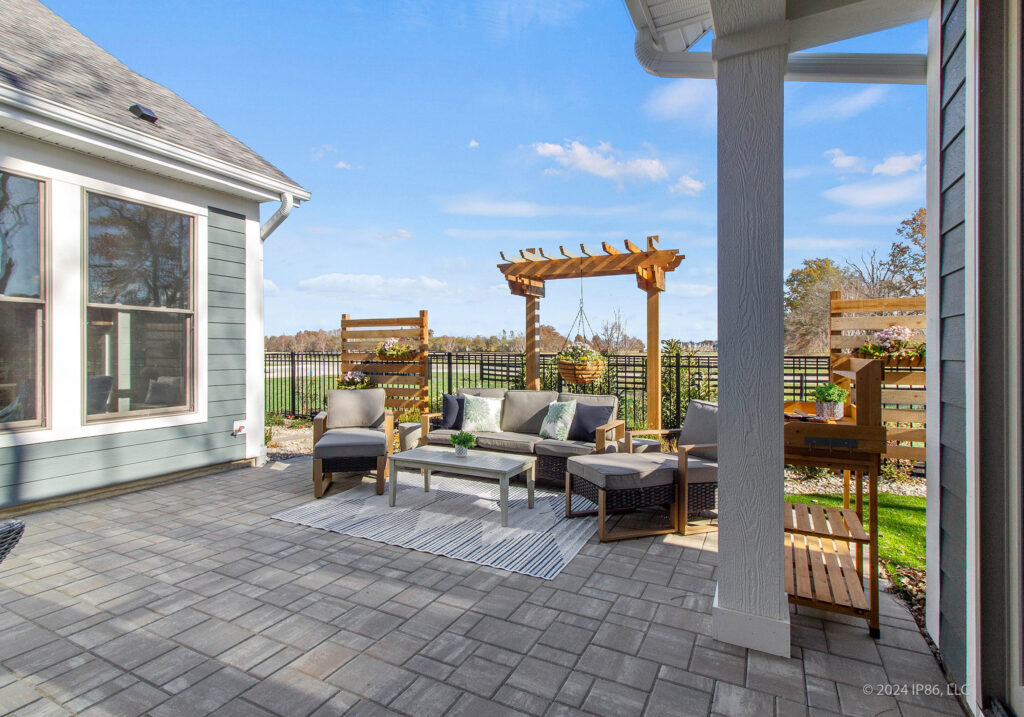
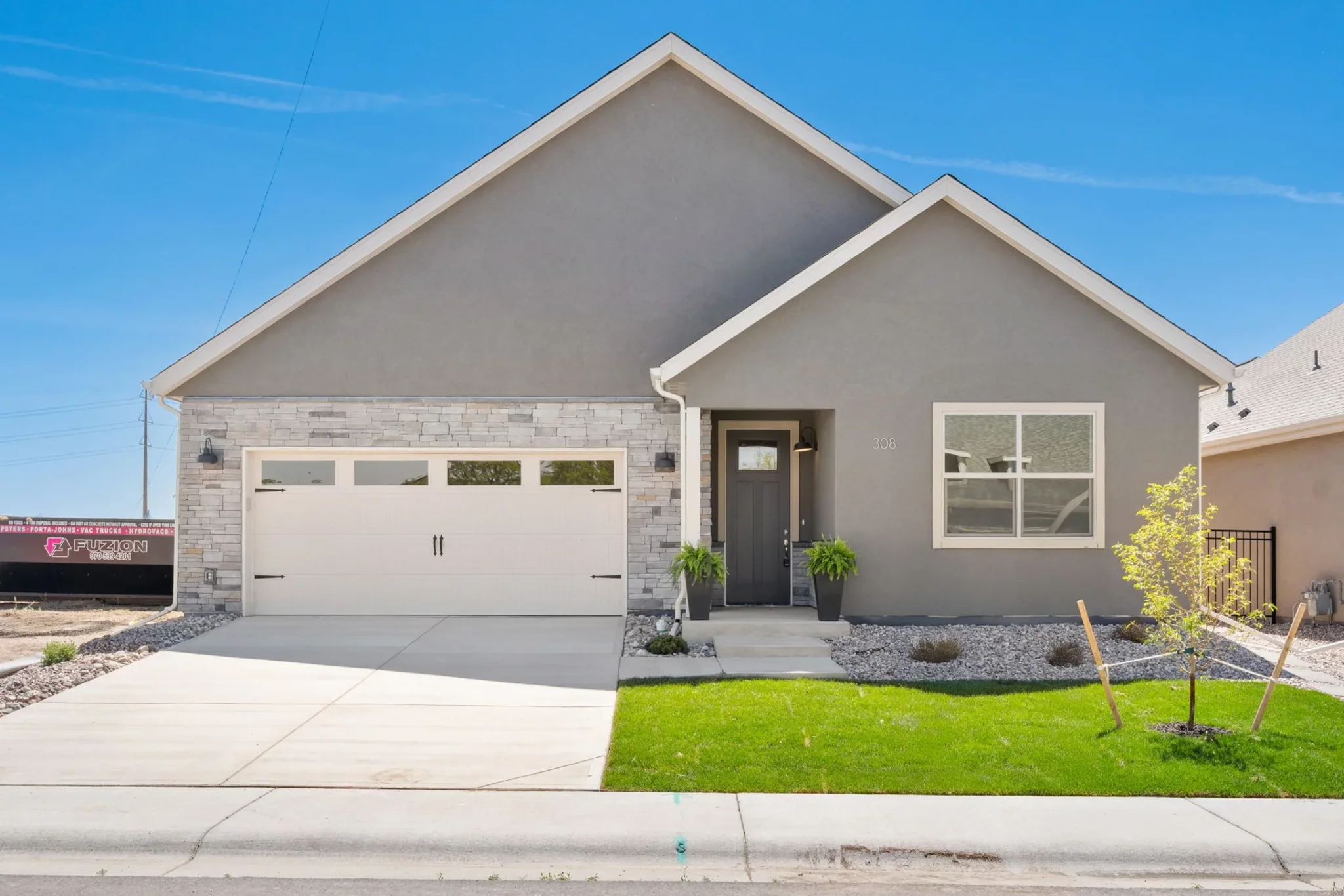
Patio homes can be a great fit for buyers who want the privacy of their own home with less upkeep. Depending on the community, benefits may include single-level living, smaller homesites, private outdoor space, attached garages, and HOA-maintained landscaping or snow removal.
If you’re comparing patio homes in Northern Colorado, look beyond square footage. Consider the layout, maintenance responsibilities, outdoor space, and whether the home will continue to fit your needs over time.
Before touring your next home, write down your non-negotiables. It’s much easier to evaluate a floor plan when you’ve already decided what matters. Ask yourself:
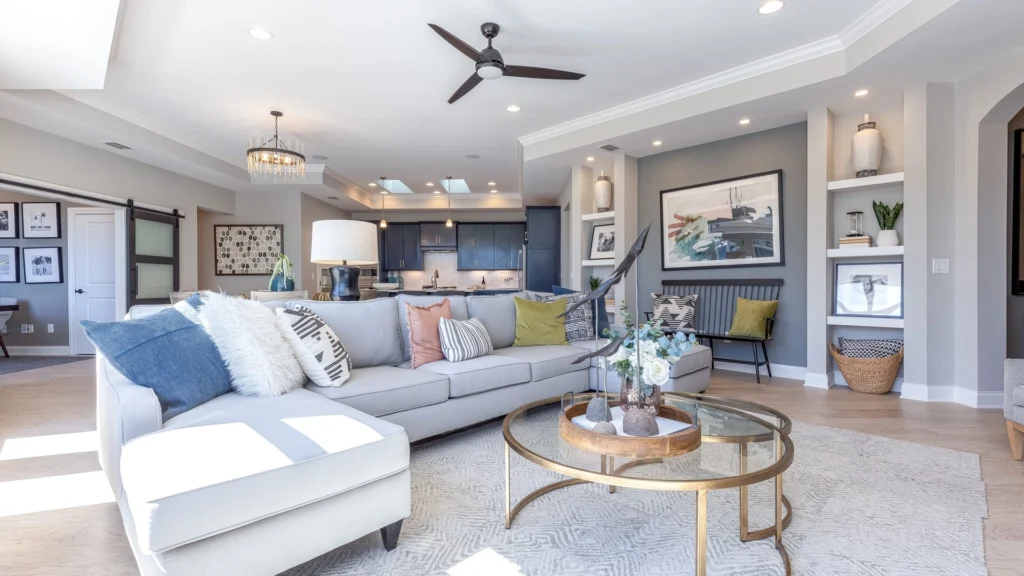
Downsizing doesn’t have to mean giving up privacy, outdoor space, a garage, room for guests, or the feeling of owning a true home.
It means being more intentional about which parts of your home still add value to your life — and which ones you’re ready to stop maintaining.
At Eastman Homes, we build single-level ranch and patio homes around that idea: comfortable spaces, thoughtful layouts, private outdoor areas, and lower-maintenance living designed to work well today and in the years ahead. Our homes at The Courtyards at Lupton Village in Fort Lupton offer single-level floor plans ranging from 1,418 to 2,832 square feet, with private courtyards and two-car garages.
If you’re starting to explore patio homes for sale in Northern Colorado, take a look at our 55+ patio homes in Colorado to learn more about the lifestyle, compare floor plans, and see whether a patio home feels like the right fit for your next chapter.


Learn More
2026 © Eastman Homes. All rights reserved
Powered by Websinc